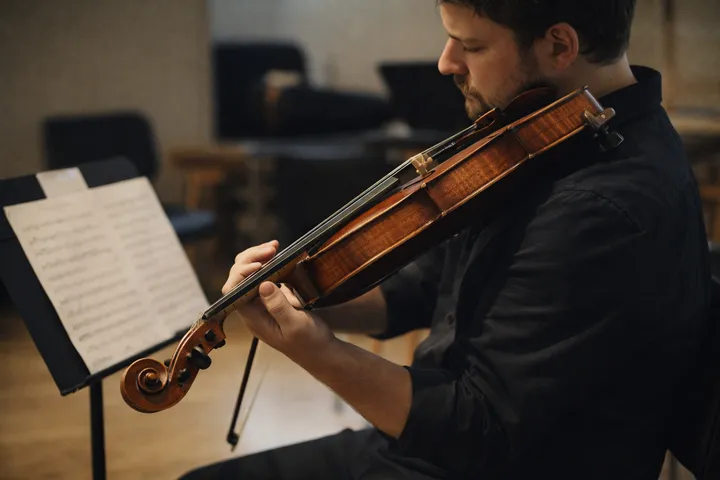
Repair, Upgrade or Replace a Student Violin in Hong Kong
A practical Hong Kong guide for parents deciding whether a student violin needs repair, setup improvement, an upgrade, or replacement.
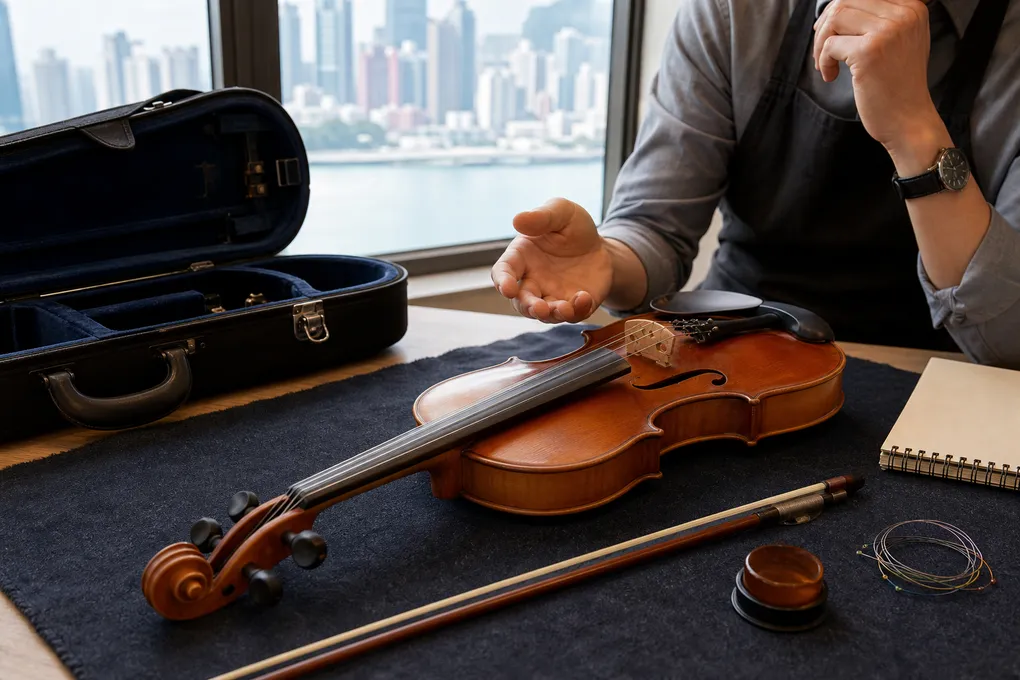
At some point, many Hong Kong families reach the same question: is this student violin still good enough? The child may be practising more seriously, the sound may feel limited, tuning may be frustrating, or repair costs may begin to approach the value of the instrument.
The answer is not always to buy a better violin immediately. Sometimes a modest repair or setup adjustment makes the existing instrument much easier to play. Sometimes replacement is more sensible. The decision should be based on what helps the student learn.
Repair When The Instrument Is Basically Suitable
Repair makes sense when the violin is the right size, generally playable, and only has specific problems. Slipping pegs, a leaning bridge, tired strings, an open seam, a broken fine tuner, or old bow hair may not mean the whole instrument is poor.
A luthier can tell whether the repair is proportionate. A student instrument does not need luxury treatment, but it does need to function. Tuning, tone, string height, bridge position, and bow response all affect daily practice.
Upgrade Setup Before Upgrading The Whole Violin
Sometimes the violin itself is acceptable, but the setup is holding the student back. Better strings, bridge adjustment, peg work, a more suitable bow, or a proper shoulder rest can make a real difference.
This is especially true for students preparing exams or school auditions. A clearer response helps the player practise more honestly. If the violin sounds dull or unstable, read violin strings in Hong Kong: when should you change them before assuming the whole instrument is finished.
Replace When The Instrument Fights The Student
Replacement becomes more likely when the violin is badly made, physically uncomfortable, too small, too large, structurally unreliable, or not worth repairing. Very cheap beginner instruments can look fine but have poor pegs, rough fingerboards, weak bridges, unpleasant strings, or bows that make tone production harder than necessary.
If a student is developing well but the instrument cannot support dynamic contrast, clean articulation, or stable tuning, an upgrade may be educational rather than indulgent.
Consider Size First
For children, size changes the whole decision. Do not spend heavily repairing or upgrading an instrument the child will soon outgrow. A rental or trade-in path may be more practical.
For adults, size is stable, so a better purchase can last longer. But comfort still matters. An impressive-sounding instrument that causes tension is not a good learning partner.
Hong Kong Conditions Matter
An instrument used in Hong Kong should be judged in real life: home practice, lessons, school travel, rainy days, air-conditioned rooms, and case storage. A violin that behaves well in a shop but slips constantly at home may need climate-aware setup and care.
Basic maintenance still matters after any repair or upgrade. Wipe the strings, loosen the bow, protect the instrument from sudden climate changes, and check the bridge regularly. The hub guide to string instrument maintenance in Hong Kong humidity covers that routine.
Ask What Problem You Are Solving
Before spending money, name the problem clearly. Is the student struggling to tune? Is the sound dull? Is the bow slipping? Is the instrument uncomfortable? Is the teacher hearing limits that were not there before?
Clear diagnosis prevents waste. Repair, upgrade, and replacement are not status levels. They are different answers to different problems.
The best student instrument is not necessarily expensive. It is reliable, comfortable, correctly sized, and responsive enough that practice teaches music rather than survival.