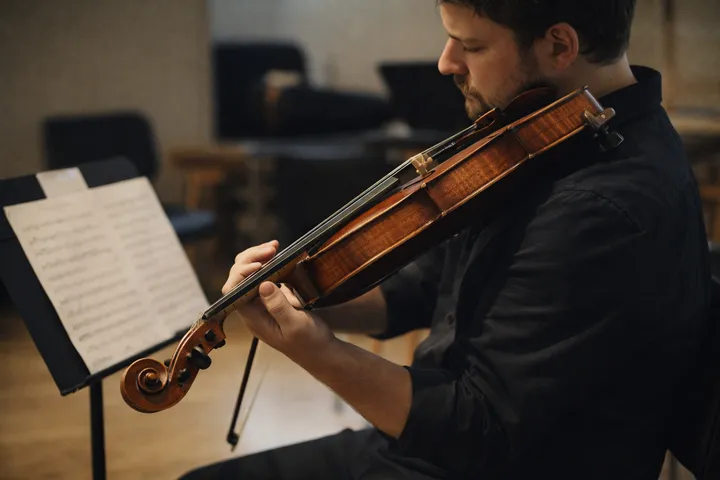
Violin Strings in Hong Kong: When Should You Change Them?
How Hong Kong violin and viola students can recognise old strings, dull tone, corrosion, false pitch, and string problems before exams or performances.
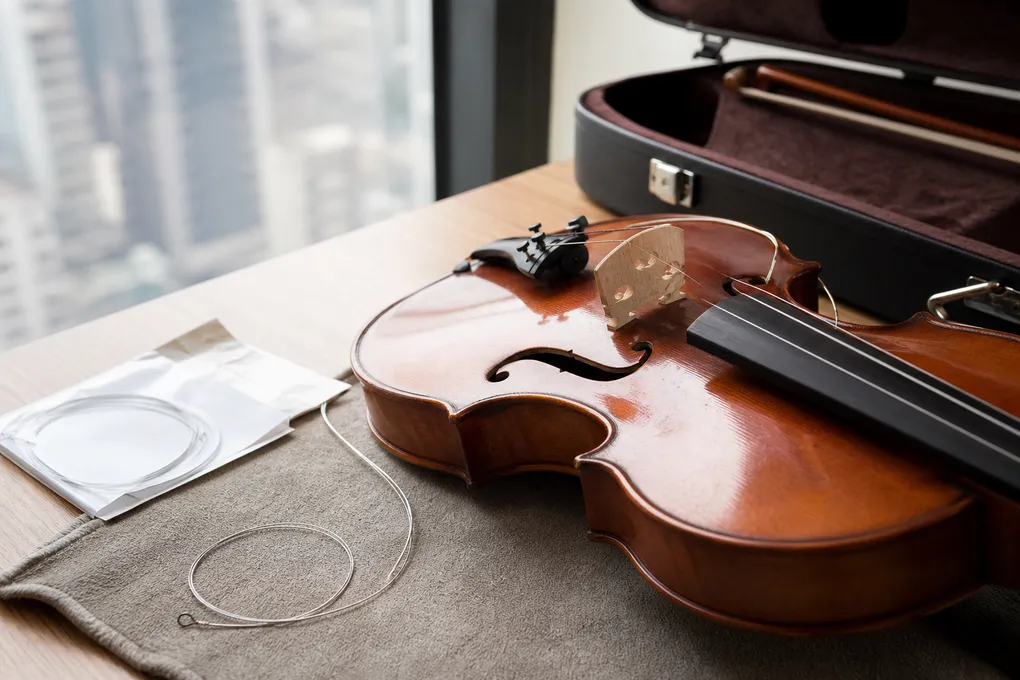
Strings wear out more quietly than most students expect. They do not always snap dramatically. More often, they lose clarity, become harder to tune, respond unevenly, or make the instrument sound tired.
In Hong Kong, sweat, humidity, air conditioning, and regular travel can shorten the useful life of violin and viola strings. A student may blame technique when the strings are simply past their best.
Signs Your Strings Are Too Old
Old strings may sound dull, slow, or unfocused. They may feel harder to tune, or one note may seem unstable even when the finger is placed carefully. The winding may look worn, frayed, dirty, or corroded, especially where the fingers touch.
If one string sounds much weaker than the others, it may need replacing even if the rest still feel acceptable.
Tone Problems Can Be String Problems
A bad sound is not always a bowing problem. If the student has been practising regularly and the sound has gradually become grey, tired, or reluctant, strings are worth checking.
This matters before exams and auditions. A student preparing carefully should not have to fight strings that no longer speak clearly. Fresh strings also need time to settle, so do not change them the night before an important performance unless there is no choice.
How Often Should Students Change Strings?
There is no universal schedule. A beginner who practises lightly may keep strings longer than a serious student who plays every day. Some students change every few months; others wait longer. The better question is whether the strings still tune reliably, respond evenly, and produce a clear sound.
For many students, a teacher can hear the decline before the family notices it. If lessons have become full of comments about dull tone or unstable intonation, strings should be part of the conversation.
Hong Kong Climate And Corrosion
Hong Kong humidity and sweat can affect strings quickly, especially for students who practise after school, travel in hot weather, or store the instrument in changing environments. Wiping the strings after playing helps, but it does not make strings last forever.
Use a dry cloth. Do not clean strings with wet wipes, alcohol near the instrument, perfume, oil, or household products. If rosin buildup has become hard and stubborn, ask a teacher or luthier before using anything stronger.
Change One String Or The Whole Set?
If one string has broken or become clearly damaged, replacing only that string can be reasonable. If the whole set is old and dull, replacing one string may make the instrument feel unbalanced.
For student instruments, the right choice depends on budget, level, and timing. A teacher or luthier can help choose strings that suit the instrument rather than simply buying the most expensive set.
Strings Are Part Of Setup
Strings interact with bridge, bow, rosin, instrument quality, and technique. A bright string on one violin may sound harsh on another. A warm string may help one instrument but make another too slow.
If the student is also dealing with slipping pegs, a leaning bridge, or a bow that no longer grips, changing strings alone may not solve everything. Use strings as one part of a practical maintenance routine, not as a magic fix.
The best strings are not necessarily the newest or most expensive. They are the strings that let the student hear clearly, tune honestly, and practise without unnecessary resistance.