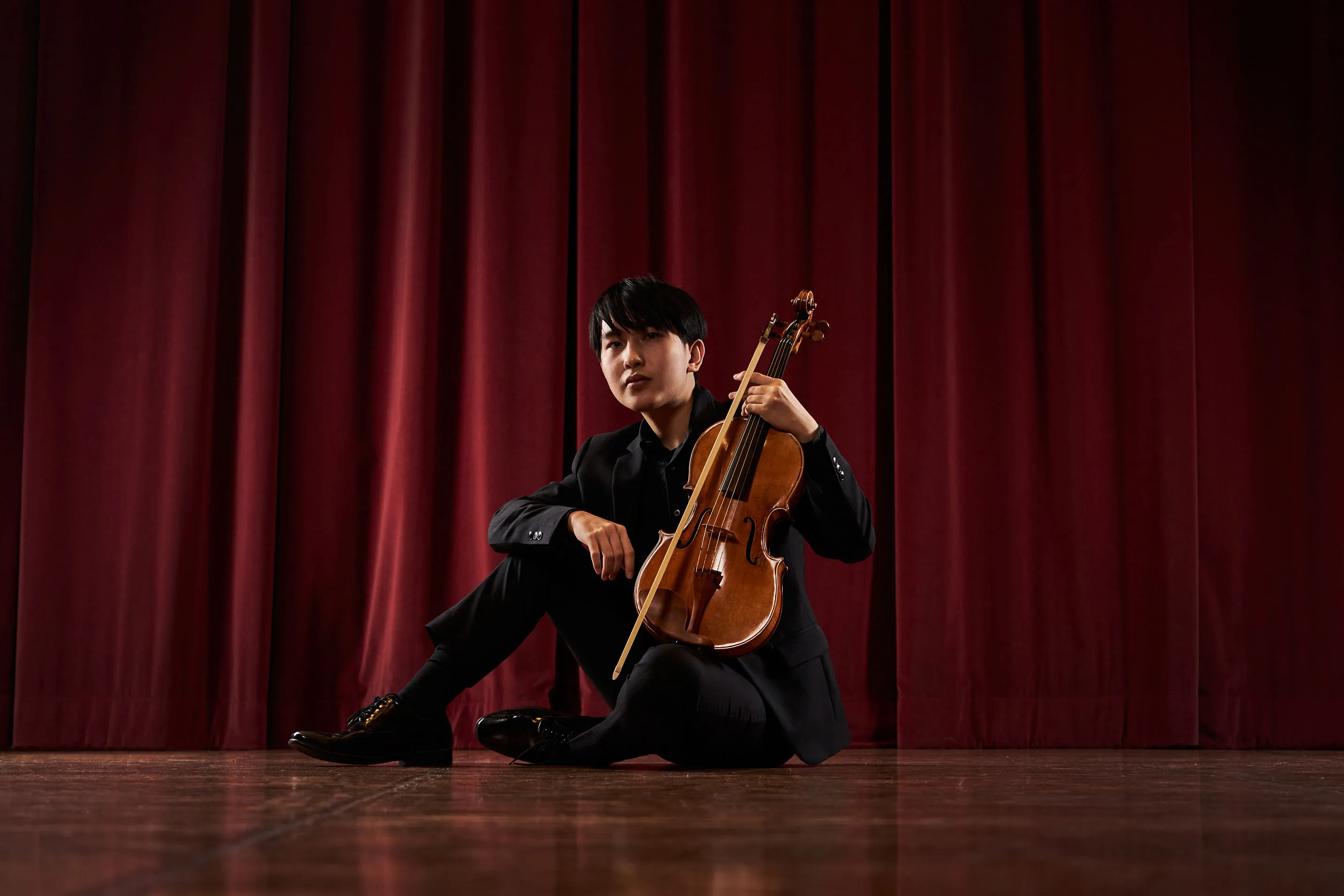
Beginners starting viola
Step-by-step foundations in posture, bow control, left-hand setup, reading, rhythm, and listening.
Viola Lessons
One-to-one viola teaching for beginners, school students, adult learners, violinists switching to viola, and students preparing ABRSM exams.
Music-first teaching
Private viola lessons give students the time and attention needed to build a secure foundation: a balanced setup, a free bow arm, reliable intonation, steady rhythm, and the confidence to listen closely to their own sound.
Vincent Yeung teaches with a music-first approach shaped by performance, chamber music, and community teaching experience in Hong Kong. Technique is taught carefully, but always in service of listening, expression, and long-term musical growth.
Posture, shifting, bow distribution, tone, and intonation are taught as tools for making a phrase speak, not as isolated weekly corrections.
A beginner, a school orchestra player, an adult learner, and a violinist switching to viola need different pacing, language, and repertoire choices.
Students leave with specific listening targets and manageable practice steps, so progress can continue between lessons without guesswork.
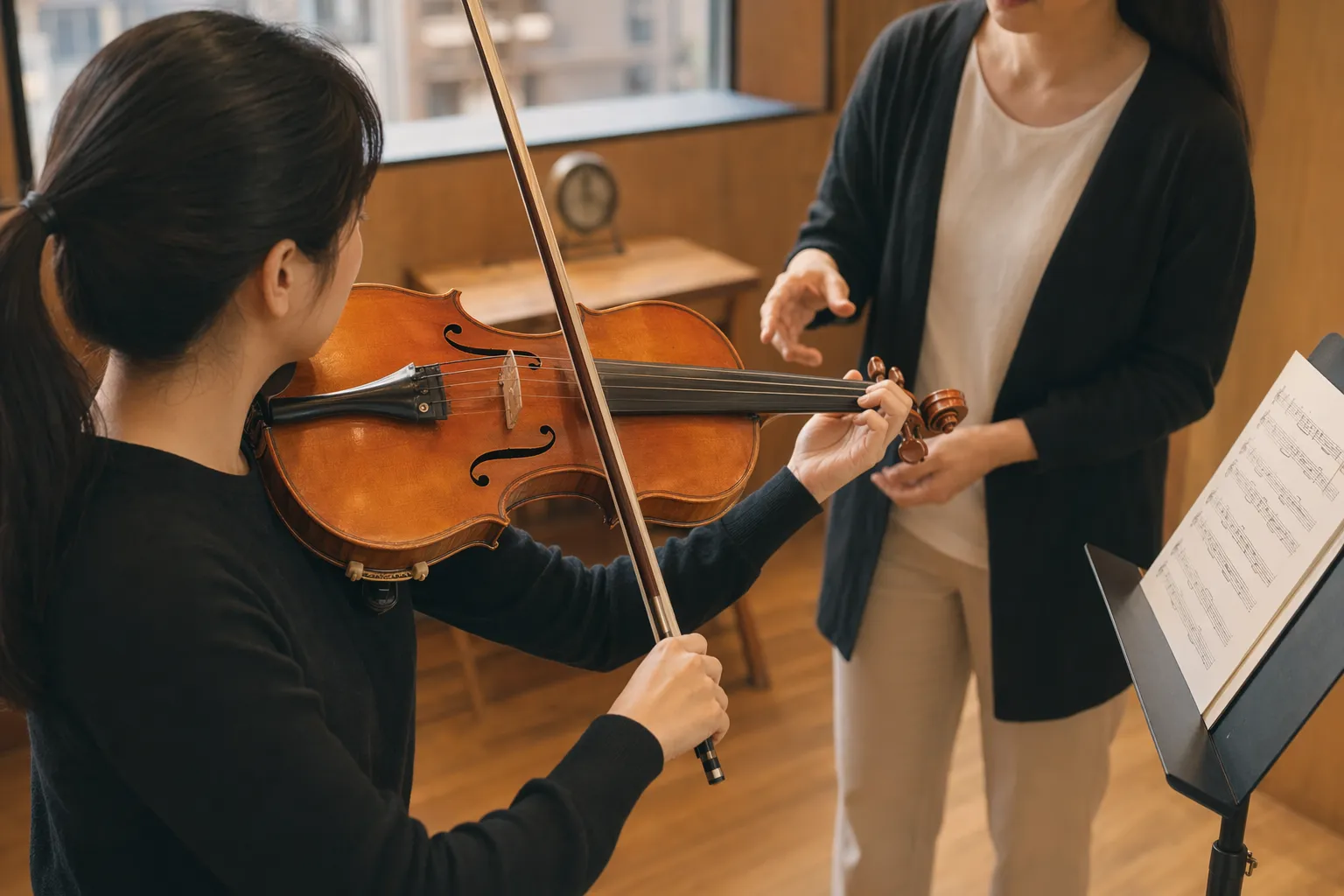
Who it is for
Step-by-step foundations in posture, bow control, left-hand setup, reading, rhythm, and listening.
Practical support for alto clef, viola tone, instrument size, slower bow speed, and the different role of inner voices.
Help with ensemble confidence, section playing, rhythm security, intonation, and preparing assigned orchestra parts.
A calm pace for new or returning players who want musical progress without embarrassment or unnecessary pressure.
Lesson focus
The exact plan depends on the student, but lessons usually combine technical foundations, repertoire, musicianship, and practical preparation for real playing situations.
ABRSM Viola Exam Preparation
Students preparing for ABRSM viola exams can receive help with selected pieces, scales, sight-reading, aural skills, practice planning, and performance confidence. The goal is to make the exam useful: a milestone that supports stronger playing rather than replacing musical understanding.
Read ABRSM Guide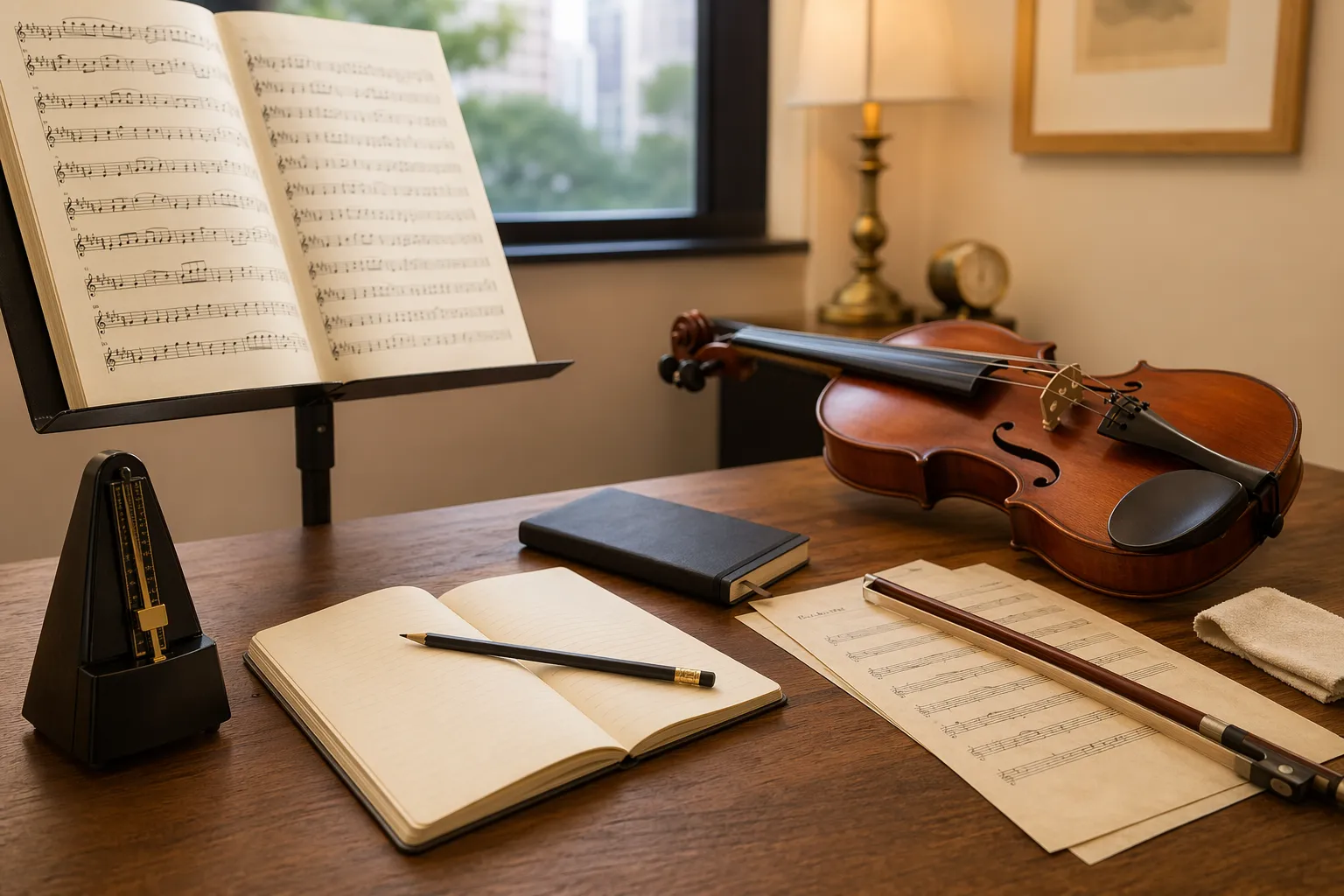
Lesson format
Private lessons work best when the format is simple, sustainable, and connected to what the student can practise at home. The first conversation is used to understand the student's background, then lessons are shaped around the next most useful musical work.
Discuss Lesson FitLesson type
One-to-one private viola lessons
Individual lessons allow the pace, repertoire, and technical work to match the student instead of following a fixed group syllabus.
Location
Hong Kong
Lesson arrangements can be discussed according to the student, family schedule, travel practicality, and regular practice routine.
Students
Children, teens, adults, and violin-to-viola switchers
The lesson language changes with age and background, from early foundations to serious adult learning or instrument transition.
Focus
Technique, musicianship, confidence, repertoire, and ABRSM support
The aim is not only to cover material, but to help the student understand what to listen for and how to practise between lessons.
Share the student age, level, previous instrument experience, current goals, and any exam or orchestra needs.
Choose a practical lesson rhythm and first learning priorities, including instrument size or repertoire if needed.
Adjust the plan as playing develops, so lessons stay useful for technique, confidence, practice, and musical growth.
FAQ
Many children begin after developing enough attention, coordination, and instrument-size readiness. Some start directly on viola, while others move from violin later. A short enquiry helps decide what is realistic for the child.
Read more about when to start learning violaIt is helpful but not always necessary before making contact. Instrument size matters, especially for younger students, so families can ask for guidance before buying or renting.
See the child viola size guideYes. Violinists often adapt quickly, but they need guidance with alto clef, viola sound production, different bow use, and the musical role of the viola in ensembles.
Read the violin-to-viola switching guideYes. ABRSM preparation can include repertoire, scales, sight-reading, aural awareness, performance confidence, and recording or exam planning. Exams are treated as part of musical growth, not the whole purpose of lessons.
Compare ABRSM online and live exam routesWeekly lessons are usually the most effective for steady progress. Some adults or advanced students may choose a different rhythm depending on goals and practice time.
Read about music lesson planning and cost in Hong KongRelated reading
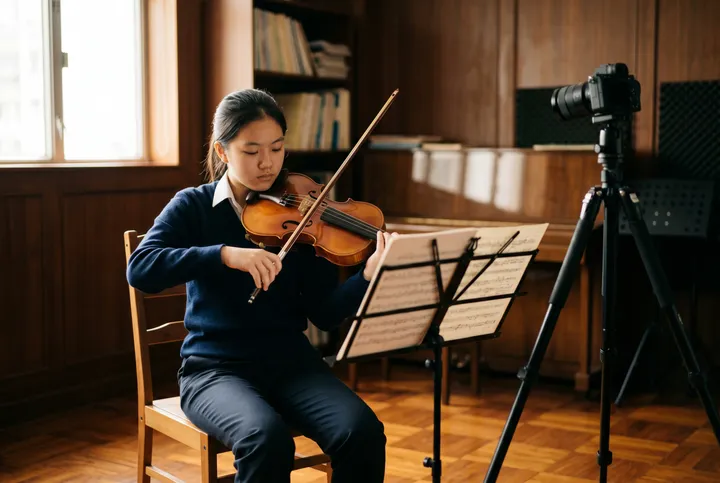
ABRSM viola exams in Hong Kong: compare digital Performance Grade and face-to-face Practical Grade, and what each route asks of a student.
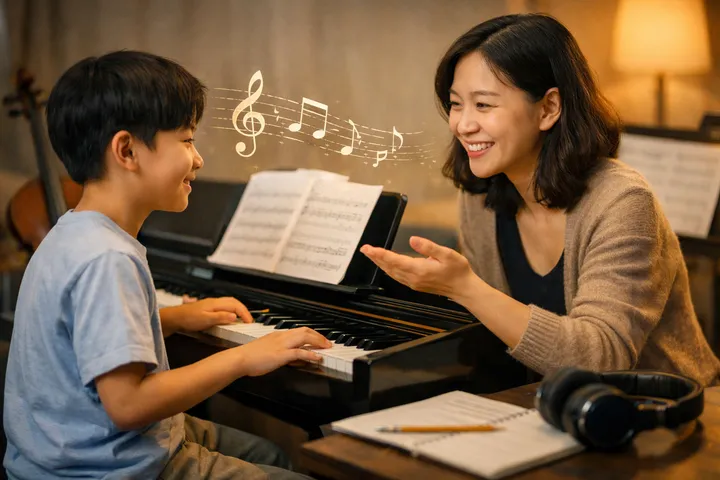
Why I believe lessons should begin with listening, expression, and curiosity, with exams serving musical growth rather than replacing it.
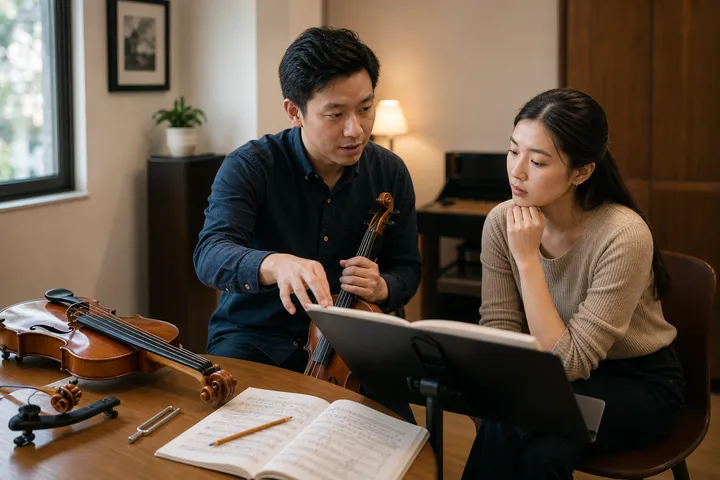
How to choose a violin or viola teacher in Hong Kong, with advice on musicianship, communication, technical care and long-term fit.
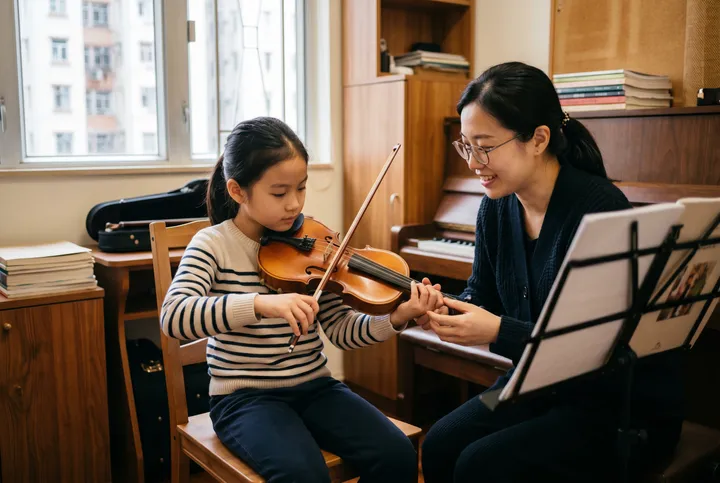
When to start learning viola in Hong Kong, including readiness, body size, attention, listening and support for a good beginning.
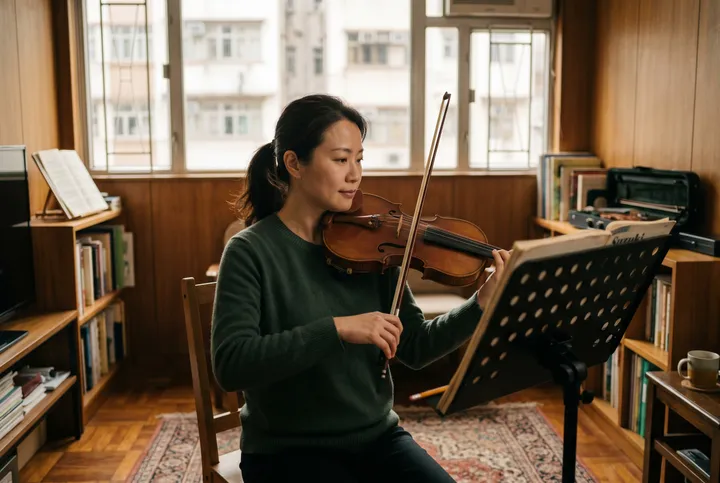
Learning viola as an adult in Hong Kong: how to begin steadily, handle self-consciousness and build a meaningful musical habit.
Contact
Whether you are a parent looking for a supportive teacher, an adult returning to music, or an organiser seeking a performer or collaborator, you are warmly invited to get in touch.