Practising Slowly Without Losing the Musical Line
A practical guide to keeping phrasing, pulse, and sound connected during slow practice, so that accuracy improves without losing musical direction.
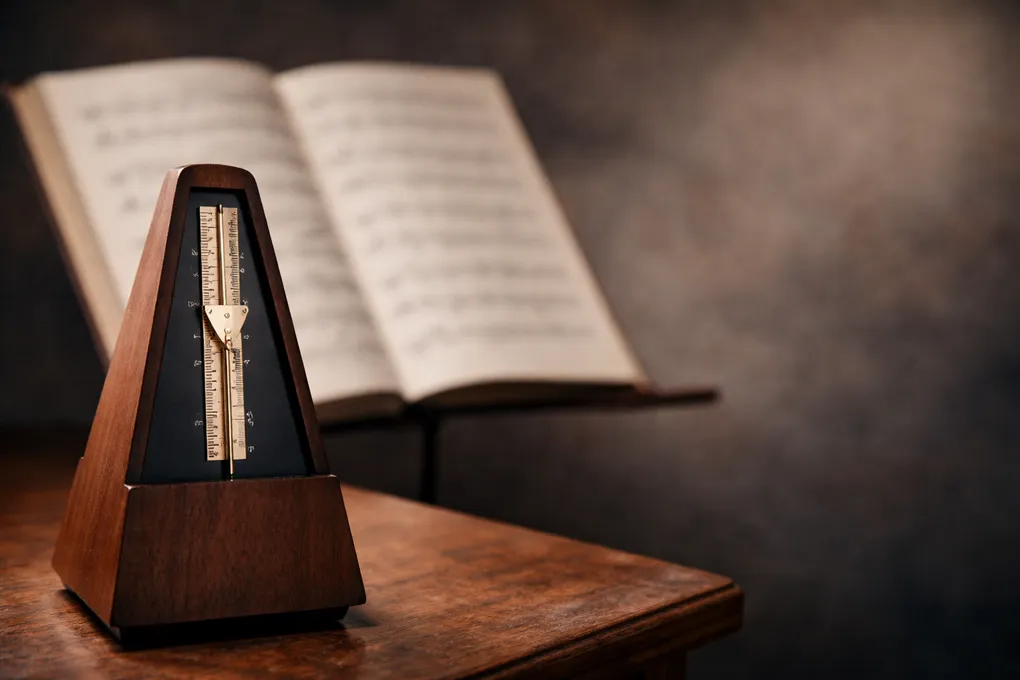
Slow practice is widely used to improve accuracy, coordination, and control. However, reducing tempo alone does not guarantee effective results. If the musical structure is not maintained, slow practice can lead to fragmented playing where notes are correct but disconnected.
Slow practice is one bridge between technical work and real music-making. If the issue is scale fluency, see effective viola scales for better practice or the exam-focused guide to ABRSM viola scales.
A common issue is that the pulse becomes unstable when the tempo is reduced. Players may pause between notes, reset physically, or treat each pitch as an isolated event. This interrupts phrasing and makes it difficult to rebuild continuity at a faster tempo later.
The same listening habits also matter when preparing performances and auditions. I connect that idea to repertoire in what I listen for in a great recording and the music school audition checklist.
Maintaining Pulse and Proportion
Even at a slow tempo, a clear sense of pulse should remain. This does not mean rigid counting, but rather a consistent proportional relationship between notes.
One practical approach is to:
- Subdivide internally (e.g. feeling eighths or sixteenths)
- Avoid stopping between notes unless isolating a specific technical problem
- Keep longer notes active rather than passive
By maintaining subdivision, the musical line remains continuous rather than segmented.
Preserving Phrase Direction
Slowing down often exaggerates physical movements, especially in the left hand and bow. Without careful attention, this can flatten the shape of a phrase.
To prevent this:
- Identify the harmonic direction (where tension increases or resolves)
- Mark arrival points within the phrase
- Plan dynamic shape independently of tempo
A useful check is whether the phrase still has a clear beginning, development, and arrival when played slowly. If all notes feel equal, the phrase structure is likely lost.
String-Specific Considerations
For string players, slow practice significantly affects bow mechanics. Changes in speed and resistance can alter articulation and sound production.
Key elements to monitor:
- Bow distribution: Ensure the bow is allocated according to phrase length, not just note duration
- Contact point and weight: Maintain consistent tone quality across slower strokes
- Bow changes: Keep direction changes aligned with phrasing rather than becoming mechanical resets
Practising slowly can reveal inefficiencies in bow use, but only if these parameters are consciously controlled.
Integrating Technique and Musical Context
The primary function of slow practice is to clarify both technical execution and musical structure. These should not be treated separately.
For example:
- When correcting intonation, also confirm its harmonic role
- When adjusting fingerings, consider their effect on phrasing
- When refining rhythm, ensure it supports the overall gesture
This integration prevents the need to “re-musicalise” the passage later.
A Practical Benchmark
Effective slow practice should meet three conditions:
- Notes are accurate and controlled
- Pulse remains stable and proportional
- The musical line is still perceptible
If any of these elements are missing, the tempo reduction may be too extreme or insufficiently guided.
Slow practice is most useful when it exposes structure rather than removing it. When done with clear parameters, it supports both technical reliability and musical continuity, making it easier to return to full tempo without rebuilding the phrase from scratch.