Blog
All Blog Posts
Browse the full archive of essays on practice, teaching, listening, repertoire, and the wider musical life.
99 posts
Page 5 / 17
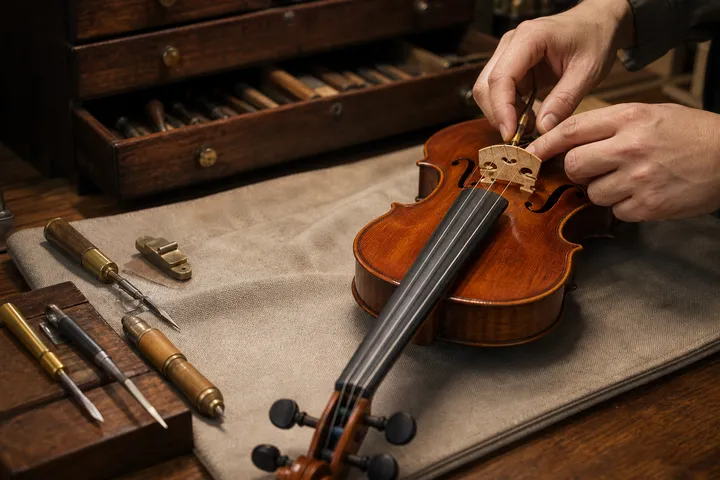
When Should You Visit a Violin Luthier in Hong Kong?
A practical guide to when Hong Kong violin and viola students should ask a luthier about buzzing, cracks, pegs, bridge problems, sound changes, and setup checks.
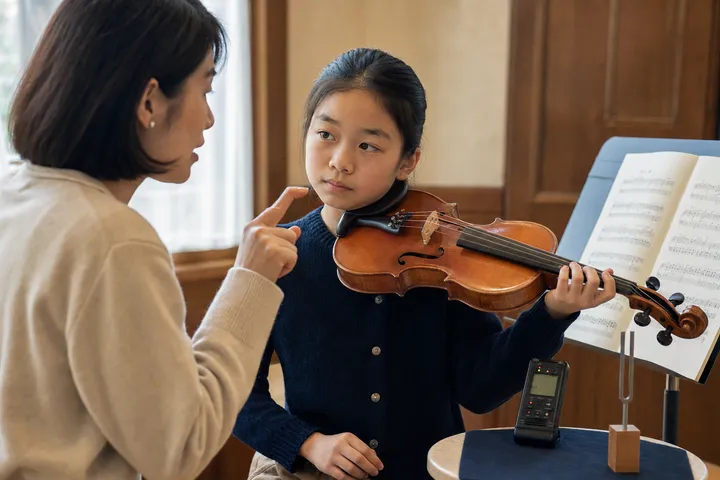
Why Does My Child Sound Out of Tune?
Why young string players sound out of tune: equal temperament, just intonation, harmonic tuning and violin or viola context.
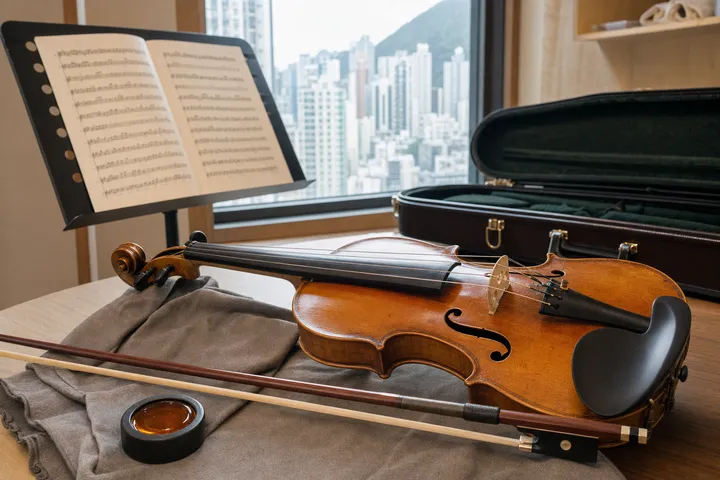
Why Does My Violin Sound Bad in Hong Kong?
A Hong Kong-focused troubleshooting guide for violin and viola sound problems, covering humidity, rosin, bow hair, strings, setup, and beginner technique.
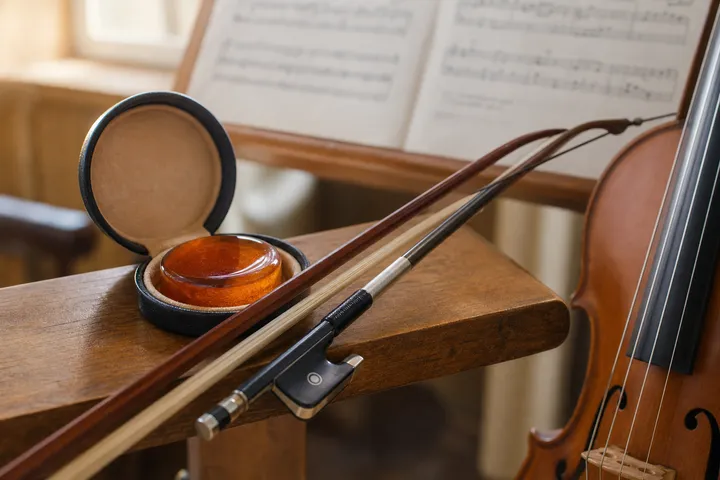
Choosing Rosin by Sound, Climate, and Feel
A practical guide to choosing violin, viola, or cello rosin with attention to tone, grip, climate, bow response, and playing style.

ABRSM Music Theory Grade 1: What Students Need to Learn
A clear guide to ABRSM Music Theory Grade 1, including notes, clefs, rhythm, simple keys, intervals, basic signs, terms, and preparation.

ABRSM Grade 1 Musical Terms: English Glossary
ABRSM Music Theory Grade 1 musical terms, with what is new at this grade and a full English glossary for exam preparation.

Next Step
Lessons shaped by real performance experience.
The work in the rehearsal room and on stage feeds directly into Vincent’s teaching. If you are looking for lessons grounded in musicianship, care, and active artistic practice, this is a good place to begin.