When Should You Rehair a Violin or Viola Bow in Hong Kong?
How Hong Kong violin and viola students can recognise when bow hair is worn out, stretched, dirty, uneven, or no longer holding rosin properly.
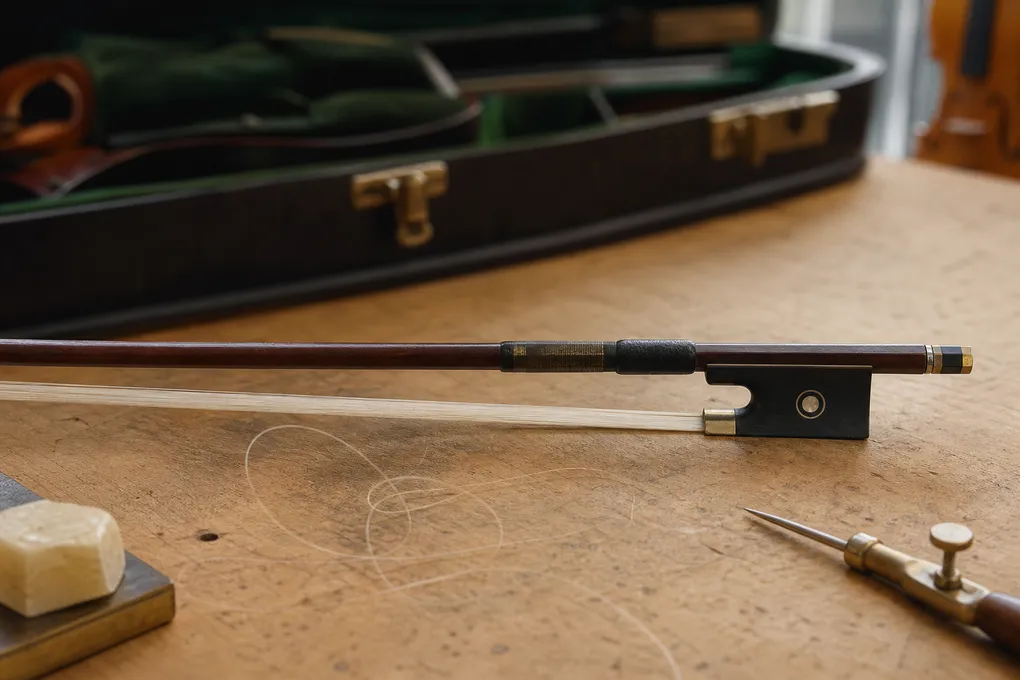
Bow hair wears out slowly, so students often adapt without noticing. The sound becomes harder to start. The bow needs more rosin. Soft playing feels unreliable. Then one day the player feels as if the instrument has become worse, when the bow hair may simply be finished.
In Hong Kong, bow hair has an extra challenge: humidity. Damp weather can stretch the hair and change how the bow grips the string.
What Bow Hair Does
Bow hair holds rosin, and rosin helps the hair grip and release the string. When the hair is healthy, the bow can start notes clearly without forcing. When the hair is worn, dirty, uneven, or too stretched, the player may compensate with pressure.
That compensation can create a scratchy or tired sound, especially for beginners who are still learning bow balance.
Signs A Bow May Need Rehairing
Consider a rehair or inspection if:
- the bow slips even after sensible rosining
- the hair looks very dirty or oily
- many hairs are broken on one side
- the ribbon of hair is uneven
- the bow cannot tighten to a normal playing curve
- the screw is near its limit but the hair is still too loose
- the bow feels weak before exams or performances
One broken hair is normal. A pattern of broken hair, especially mostly on one side, may point to playing habit, storage, or hair condition.
How Often Should A Student Rehair?
There is no single schedule. A serious player may rehair more often, while a beginner practising lightly may go much longer. For many student violin and viola players, checking the bow once or twice a year is a sensible habit, especially before exams, auditions, or intensive rehearsals.
If the student plays every day, performs regularly, or prepares graded exams, the bow should be treated as part of the setup, not just an accessory. A poor bow response can make good practice feel strangely difficult.
Humidity And Bow Hair In Hong Kong
Bow hair stretches in humid conditions. This can make the bow feel loose even when the screw is tightened more than usual. Some students respond by tightening further and further, but that can stress the stick.
If the bow hair remains too loose in humid weather, do not force the screw. Ask a teacher or bow specialist whether the bow needs rehairing or adjustment.
Also avoid leaving the bow tight after practice. This is one of the simplest bow-care habits, and it matters more in a climate where hair length changes with the air.
Rehair Or Buy A New Bow?
For a decent student bow, rehairing can be worthwhile. For a very cheap bow, the cost of rehairing may approach the value of the bow itself. In that case, a teacher or luthier can help decide whether replacement is more sensible.
The decision should be practical: does the stick have reasonable balance, does it help the student make sound, and is it worth maintaining?
Do Not Use Rosin To Solve Every Bow Problem
If the bow hair is worn or dirty, adding more rosin may give a temporary grip but often creates a rougher sound. The student then fights both old hair and too much rosin.
Rosin, bow hair, strings, and technique work together. When the sound becomes unreliable, check them in that order calmly. A rehair is not glamorous, but it can make the instrument feel honest again.